
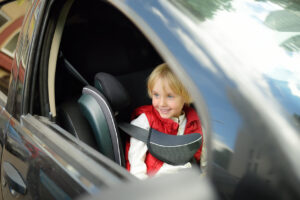
As children grow, parents often have questions about when they can move from the back seat to the front. While older children may be eager to sit beside the driver, age, height, seat belt fit, and airbag safety all deserve consideration. Arizona law also sets specific requirements for child passenger restraints.
For Phoenix families wondering when a child can sit in the front seat in Arizona, the answer involves both state law and recommended safety practices. Arizona does not set one minimum age for front-seat passengers, but safety experts recommend keeping children in the back seat until they are at least 13 years old.
What Does Arizona’s Child Restraint Law Require?
Under Arizona Revised Statutes Section 28-907, children under five generally must be secured in a child restraint system. The law also covers children ages five through seven who are not more than four feet nine inches tall.
This means a seven-year-old who is exactly four feet nine inches still falls within that height rule. The statute includes specific vehicle rules and exemptions, so unusual situations may require a closer review.
The law does not say that reaching age eight makes the front seat the safest place. Age, size, seat belt fit, and the vehicle’s instructions all matter when choosing where a child should ride.
Why Is the Back Seat Recommended Until Age 13?
The National Highway Traffic Safety Administration recommends that all children under 13 ride in the back seat. Front airbags are designed to work with seat belts, but their force can seriously injure a child sitting too close.
A rear-facing car seat must never be placed in front of an active passenger airbag. The airbag can strike the back of the child seat during deployment.
Read both the vehicle owner’s manual and the car seat instructions. They explain approved seating positions, installation methods, and any airbag concerns for that vehicle and restraint.
When Can a Child Stop Using a Booster?
A booster raises the child so the vehicle’s lap and shoulder belt rests on the right parts of the body. Moving out of a booster too soon can leave the belt across the stomach or neck.
Check whether the child can sit properly for the full trip:
- The child’s back rests against the vehicle seat
- The knees bend naturally at the seat’s edge
- The lap belt lies low across the upper thighs
- The shoulder belt crosses the chest and shoulder
- The child can stay in that position without slouching
A child may fit the belt in one vehicle and still need a booster in another. Check each vehicle instead of relying only on the child’s birthday or height.
How Should Parents Choose a Car Seat?
Follow the seat maker’s height and weight limits. NHTSA’s car seat guidance recommends keeping children rear-facing until they reach the seat’s limits for that position.
After that, use a forward-facing seat with a harness and tether until the child outgrows it. A booster is the next step before a seat belt alone fits properly.
Correct installation matters at every stage. A child passenger safety technician can help check the seat and explain how it works in your vehicle. Bring the vehicle manual and restraint instructions to the appointment.
What If a Vehicle Has No Back Seat?
Pickup trucks and other vehicles may have limited seating options. Review the owner’s manual before placing a child in the front. Airbag controls and approved car seat locations differ by vehicle.
Never assume that a dashboard indicator or a seat sensor makes a rear-facing seat safe in front. Confirm the instructions for the specific vehicle and restraint before using that position.
Contact an Arizona Personal Injury Lawyer at Triumph Law Group for a Free Consultation
Following Arizona’s child passenger safety laws and keeping children properly restrained can help reduce the risk of serious injuries in a car accident. However, even when you take every precaution, another driver’s negligence can put your family at risk.
If your child was injured in a car accident, Triumph Law Group can help you understand your legal options and pursue compensation for your family’s losses. Contact our Arizona personal injury lawyers today to schedule a free consultation.


T